
Empowering Elderly with Digital Skills for Independent and Safe Digital Living
Project Summary
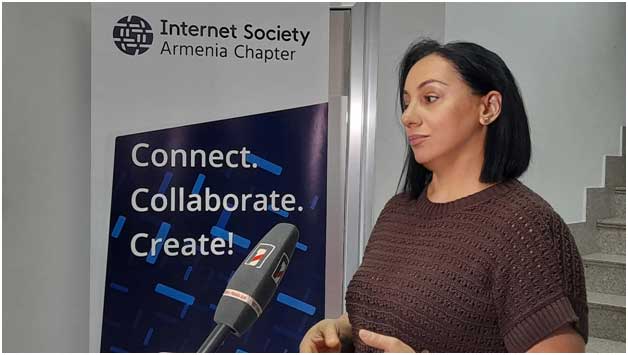
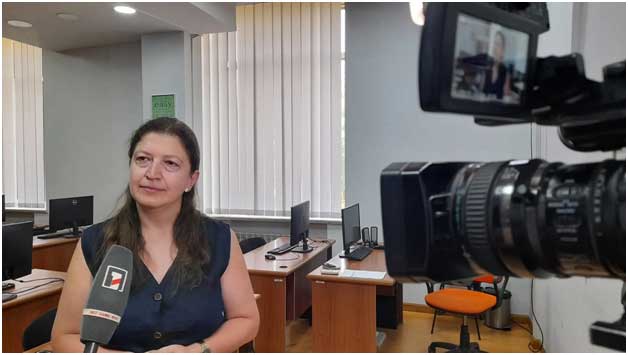
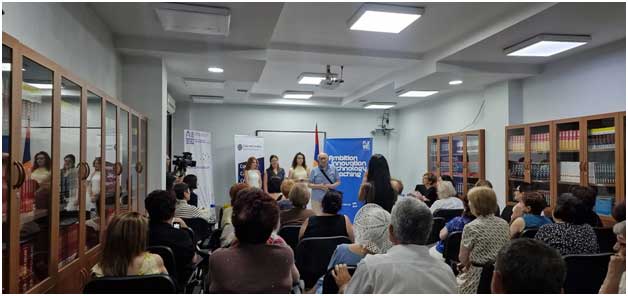
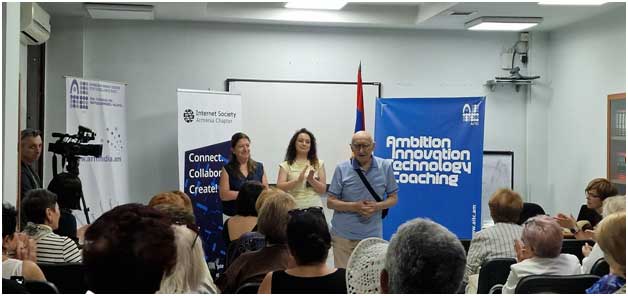
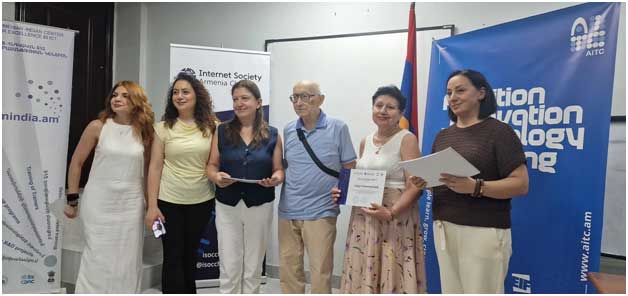
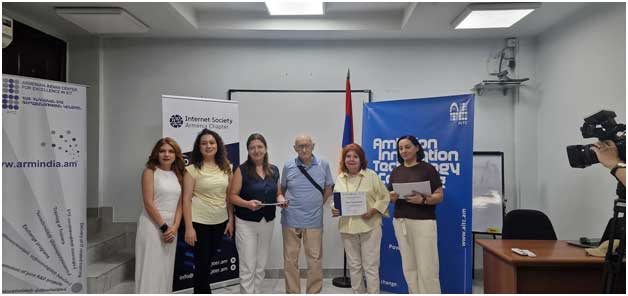
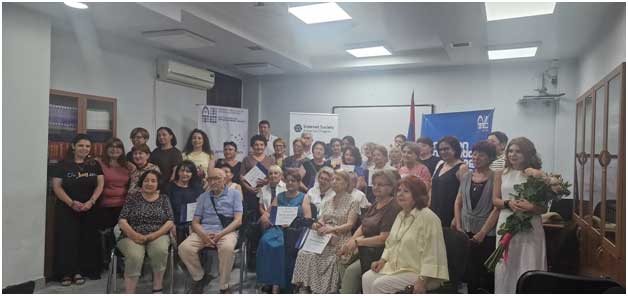
The Internet Society Armenia Chapter implemented a comprehensive program to equip 25 elderly people with essential knowledge and digital skills. Recognizing the increased vulnerability of the elderly population to online scams, fraud, and digital threats, this project addressed the critical need for elderly individuals to navigate the digital world safely and independently. In addition, as many elderly people live alone and manage essential tasks such as utility payments online, the program aimed to build their confidence and capability in using technology securely.
This training allowed elderly participants to continue practicing the skills they have learned in a supportive environment and access digital services essential to their well-being. The initiative also provided continuous digital education, fostering ongoing skill development and empowering the elderly to lead more independent lives.
By involving individuals aged 60+ in these initiatives, the training fostered a sense of purpose, enhanced self-esteem, and promoted intergenerational connections. This engagement also contributed to their financial stability, helping older adults to achieve a more secure and independent lifestyle.
Project Objectives
Key Activities
Outcomes
This project contributed to the broader goal of promoting active aging and digital inclusion for the elderly, ensuring they are better equipped to live safely and independently in a digital age.
Target Audience
This program was designed for elderly individuals aged 60+ who are eager to embrace digital literacy and enhance their cybersecurity awareness. It also provided unique opportunities for participants in the Seniors' Creativity Lab to expand their skills and engage in purposeful activities.
Why This Project Matters
By addressing the critical need for digital inclusion among the elderly, this project bridged the gap between generations and ensured that older adults are equipped to thrive in the modern world. Beyond practical skills, the initiative fostered confidence, independence, and a sense of community. It transformed vulnerability into empowerment and createed lasting impact by combining education, innovation, and creativity.
Course content
Module 1: Cybersecurity Awareness
1. Understanding Cyber Threats
- What are phishing, online scams, identity theft, and digital fraud?
- Real-life examples of cyber threats targeting seniors.
2. Safe Internet Practices
- How to identify suspicious emails, links, and messages.
- Importance of using secure websites (https://).
- Safe browsing habits and understanding privacy settings.
3. Password Security
- Creating and managing strong passwords. o Introduction to password managers.
4. Device Security
- Keeping devices updated with the latest security patches.
- Using antivirus software and firewalls.
5. Protecting Personal Information
- Avoiding oversharing on social media and online forms.
- Secure handling of sensitive information like IDs and bank details.
Module 2: Technology Literacy
1. Basic Digital Skills
- Understanding digital devices: smartphones, tablets, and computers.
- Navigating operating systems (Windows, Android, iOS).
2. Using Essential Applications
- Email setup and usage.
- Video conferencing tools (Zoom, Skype, WhatsApp, Video).
- Introduction to internet browsing: finding information, using search engines effectively.
3. Online Banking and Payments
- How to securely use online banking apps. o Paying bills and making purchases online.
4. Cloud and Digital Storage
- Basics of cloud storage (Google Drive, OneDrive). o Backing up and retrieving important files.
5. YouTube for Learning and Entertainment
- Finding educational videos and tutorials.
- Creating playlists and subscribing to channels. o Ensuring safe and appropriate use of YouTube.
6. Introduction to MS Office
- Basics of Microsoft Word: creating and editing documents.
- Microsoft Excel for simple data management. o PowerPoint for creating basic presentations.
Module 3: Technology for Independent Living
1. Daily Life Apps
- Grocery delivery apps.
- Transportation apps (navigation, maps, etc).
2. Entertainment and Socialization
- Streaming services for music and video.
- Safely engaging on social media to stay connected.
- Exploring YouTube for hobbies, fitness, and relaxation.
3. Digital Scheduling
- Setting reminders for medication and appointments. o Utilizing digital calendars and to-do apps.
Module 4: Ensuring Long-Term Impact
1. Sustained Learning Opportunities
- Access to a library of digital resources (ebooks, guides, videos) for self-paced learning.
- Subscription to relevant newsletters or blogs for continuous updates on technology trends and cybersecurity.
2. Resource Kits
- Providing video tutorials, guides, and FAQs.
- Links to trusted websites and YouTube channels for ongoing learning.
3. Mentorship
- Creating support groups for participants to share experiences and tips.
- Individuals follow up mentoring for 6-10 hours during 6 months for each participants
Objective
The project empowered elderly individuals aged 60 and above with essential cybersecurity knowledge and technology skills, enabling them to navigate the digital world safely and independently, enhanced their daily lives through technology, and built long-term confidence in utilizing digital tools for communication, financial management, healthcare, and other essential services. This program ensured elderly participants gain the confidence and skills to navigate the digital world safely, empowering them to live more independently.
|
|
|
|
|
|
|
|